| Century | 21st |
| Challenges | Worsening climate change • Political unrest • Decline of the colonial system |
| Overall trajectory | Shaped by major geopolitical, technological, and environmental changes |
| Geopolitical shifts | Rise of New Netherland as a dominant global power, rivaling other European empires |
| Technological progress | Rapid advancement in renewable energy and space exploration, slower progress in computing and AI |
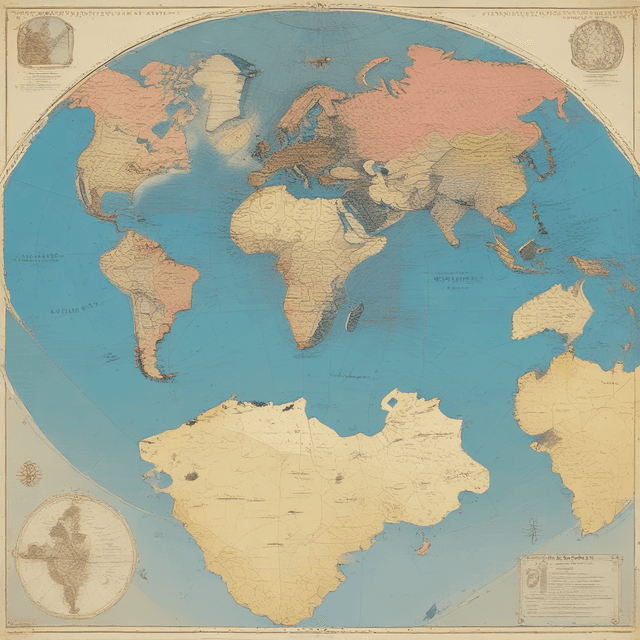
The new millennium opened with the continued ascendance of New Netherland, the powerful Dutch colonial state based around the metropolis of New Rotterdam (our New York City). As the global economy became increasingly integrated, New Netherland emerged as a major technology and financial hub, rivaling the older empires of Great Britain, France, and Spain.
This economic rise fueled New Netherland's ambitions on the world stage. The colony increasingly clashed with its European rivals over access to resources, trade routes, and colonial territories, particularly in Africa and Asia. The motherland struggled to keep pace, leading to growing political tensions.
Technologically, the 2000s saw a major push towards renewable energy, electric vehicles, and sustainable urban planning in New Netherland and other developed nations. The country became a global leader in solar power, wind turbines, and biofuels. This rapid transition was enabled by investments in research and development, as well as a concerted effort to wean the economy off of fossil fuels.
In space, the colonial powers engaged in an accelerating race to establish orbital infrastructure, lunar bases, and even the first tentative steps towards interplanetary travel. New Netherland's highly capable space program competed fiercely with programs run by France, Britain, and the United States.
The 2010s brought growing pains for New Netherland's system of parliamentary democracy and constitutional monarchy. Debates raged over the balance of power between the Staten-Generaal (parliament), the Stadhouder (monarch), and the sprawling colonial bureaucracy. Nationalist and populist movements gained traction, questioning the centralized authority of the capital in New Rotterdam.
Meanwhile, the space race reached new heights, with the first human missions to Mars and the establishment of permanent outposts on the Moon. Competition between the colonial powers intensified, leading to concerns about the potential for conflict in space. High-profile space disasters, like the tragic loss of a New Netherland space shuttle in Pacifica, further stoked public anxiety.
Backlash against globalization and large-scale immigration also emerged as a major political force in New Netherland and other industrialized nations. Nativist parties and anti-immigrant sentiment gained ground, straining the multicultural social fabric that had previously characterized the colonial empires.
The 2020s brought devastating impacts from climate change that reverberated worldwide. Extreme weather events, droughts, rising sea levels, and ecological collapse destabilized agricultural systems and displaced millions of people, especially in the global South. New Netherland and other powers struggled to cope with the cascading crises, further straining their political and economic structures.
As the century progressed, the colonial system that had dominated the globe for centuries began to show signs of strain and collapse. Nationalist and independence movements proliferated, leading to the disintegration of some empires and the reorganization of others. New models of governance and economic organization emerged to fill the void, challenging the dominance of traditional great powers.
While the specific trajectory of the 21st century in this alternate timeline differs greatly from our own, the overarching themes of technological change, geopolitical upheaval, and the reckoning with environmental catastrophe remain universal. The world of the 2000s, 2010s, and 2020s grappled with many of the same fundamental challenges that confront humanity in our current reality.
